
An Ultimate List of Common Pickleball Mistakes With Fixes
Understand the common pickleball mistakes, learn how to avoid them and improve your pickleball gameplay.
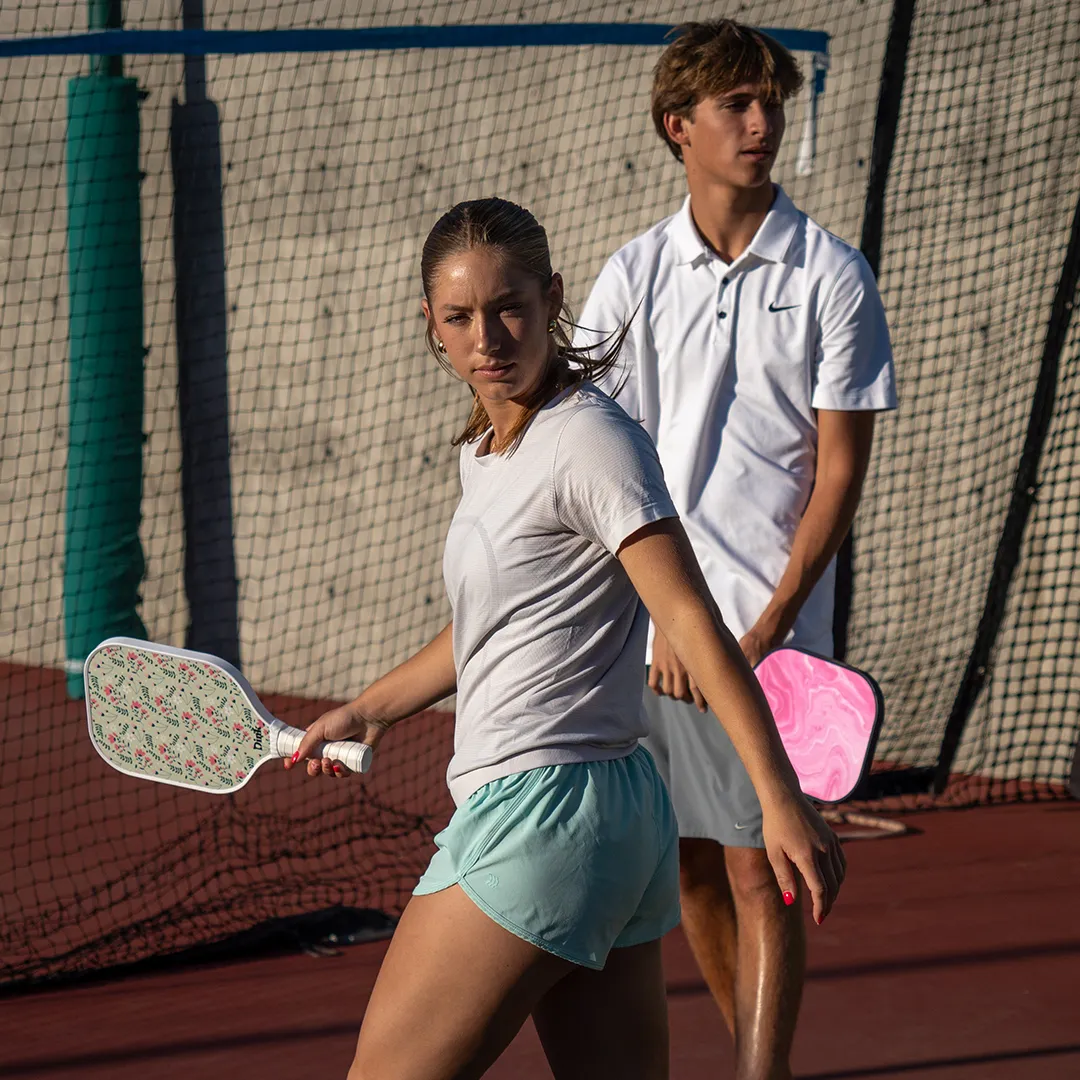
Pickleball is an exciting and fast-growing sport, but even seasoned players can fall into common traps that hold them back. Understanding these mistakes can make a huge difference in your game because every mistake comes with a solution.
In this guide, we listed the most frequent pickleball mistakes and offered practical tips to correct them. You'll learn how to improve your footwork, master smarter shot choices, and communicate better with your partner.
Poor Paddle Grip
A common mistake in pickleball is using an incorrect paddle grip. A poor grip can limit your control, reduce shot accuracy, and even lead to wrist strain or injuries over time. Many beginners hold the paddle too tightly or at the wrong angle, restricting movement and flexibility. Others may unknowingly use a grip that's too loose, leading to weak and inconsistent shots.
How to Fix: The most effective grip for most players is the "continental grip," where your index finger's base knuckle rests on the paddle handle's top bevel. This grip offers versatility for various shots, including serves, volleys, and dinks. Also, ensure you're holding the paddle with moderate pressure; too tight, and you'll lose flexibility; too loose, and you'll sacrifice control.
Extra Tip: Practicing with different pickleball paddle grips and adjusting based on comfort and shot style can significantly improve your game.
Standing Too Close to the Baseline
Another mistake is standing too close to the baseline after serving or returning the ball. This positioning makes it harder to approach the net quickly, leaving players vulnerable to well-placed drop shots or forcing them into awkward, defensive returns. Staying too far back also limits control over the game, as much of the action happens near the non-volley zone (kitchen).
How to Fix: The solution is to practice moving forward after the serve or return. Aim to advance to the kitchen line as soon as it's safe to do so, ideally after executing a deep return that gives you time to approach. This position allows for better control of volleys and more strategic shot placement.
Extra Tip: Focus on split-stepping—a small, balanced hop—just as your opponent hits the ball. This keeps you light on your feet and ready to react quickly, ensuring you're not caught flat-footed near the baseline.
Returning the Ball Short
Returning a serve too short in pickleball gives the serving team the opportunity to execute an aggressive third shot. A short return allows the opposition to quickly reach the non-volley zone and possibly hit a powerful put-away. Even if your opponent does not hit a winner, the short return allows your opponent to get to the net quicker and neutralizes your built-in advantage.
How to Fix: To counter this, focus on hitting deeper returns aimed at the server's backhand or feet. Practice controlled drives and drop shots that land near the baseline. This will force the serving team to play from a deeper position, reducing their offensive advantage.
Standing Too Close to the Net
Crowding the net can leave players vulnerable to lobs and quick, sharp-angle shots. While getting as close as possible to dominate the non-volley zone (kitchen) is tempting, standing too close reduces reaction time and limits your ability to defend against shots that arc over your head. It also makes it easier for opponents to exploit gaps in your positioning.
How to Fix: Position yourself 1-2 steps behind the kitchen line, maintaining enough distance to react to various shots while still being close enough to control the net game. Stay light on your feet with your paddle up and ready so that you can move quickly in any direction.
Neglecting the Non-Volley Zone (Kitchen)
One of the players' biggest mistakes is hesitating to approach the non-volley zone, also known as the kitchen. Staying too far back gives opponents control of the net, making it easier for them to dictate the pace and placement of shots. Many players avoid the kitchen out of fear of making errors, but this hesitation often leads to missed opportunities and weak returns. The key is to confidently advance to the kitchen line after your serve or return, positioning yourself to intercept and control the game with volleys and dinks.
How to Fix: To improve, practice drills focusing on approaching the kitchen quickly and maintaining a low, ready stance for fast reactions. Remember, patience is essential—don’t rush your shots just to stay aggressive.
Extra Tip: Focus on keeping your paddle up and in front of your body. This small habit can significantly improve your reaction time and help you manage those tricky kitchen exchanges more effectively.
Overusing Power Shots
Many players fall into the trap of relying too heavily on power shots, thinking that smashing the ball hard will win points faster. However, in pickleball, excessive power can often work against you. Hard-hit balls are easier for skilled opponents to redirect, increasing the chance of errors like hitting the ball out of bounds or into the net.
How to Fix: Instead of focusing solely on power, aim to mix in controlled, well-placed shots like dinks and drop shots. This forces your opponent to move and think, breaking their rhythm and creating openings for winning points. A great way to improve is by practicing shot placement—aim for the opponent’s feet, the corners, or the middle gap between players in doubles.
Extra Tip: Observe your opponent’s reaction to power shots. If they handle them well, it’s a sign to switch tactics and introduce more soft shots to throw them off balance. Remember, in pickleball, control and strategy often beat brute force.
Poor Communication with the Partner
Another mistake in pickleball doubles is failing to communicate effectively with your partner. This often leads to confusion over shot responsibility, missed opportunities, or even both players going for the same ball. A common example is when neither player calls "mine," causing hesitation and an easy point for the opponents.
How to Fix: Establish clear communication habits, such as using short, decisive phrases like “yours,” “mine,” or “switch.” Practicing hand signals for stacking or poaching can also help avoid mid-game confusion. Another useful strategy is checking in with your partner between points to discuss positioning or strategy adjustments.
Extra Tip: Knowing your partner’s playing style and preferences can greatly affect how smoothly you work together. Strong communication not only prevents errors but also builds trust, making you a much tougher team to beat.
Playing with a Poorly Fitted Paddle
Using a paddle that doesn’t suit your playing style, grip size, or skill level can seriously affect your performance in pickleball. A paddle that’s too heavy may slow down your reaction time, while one that’s too light might not give you enough power. Similarly, an improper grip size can lead to discomfort, poor control, and even wrist strain.
How to Fix: Take the time to choose the correct pickleball paddle. Find one that balances power, control, and comfort based on your playing style. If you’re unsure, start with a mid-weight paddle (7.5-8.5 oz) and adjust from there. Additionally, pay attention to the paddle material—carbon fiber paddles offer a good mix of power and control.
Extra Tip: A well-matched paddle can elevate your game, helping you play more confidently and efficiently on the court.
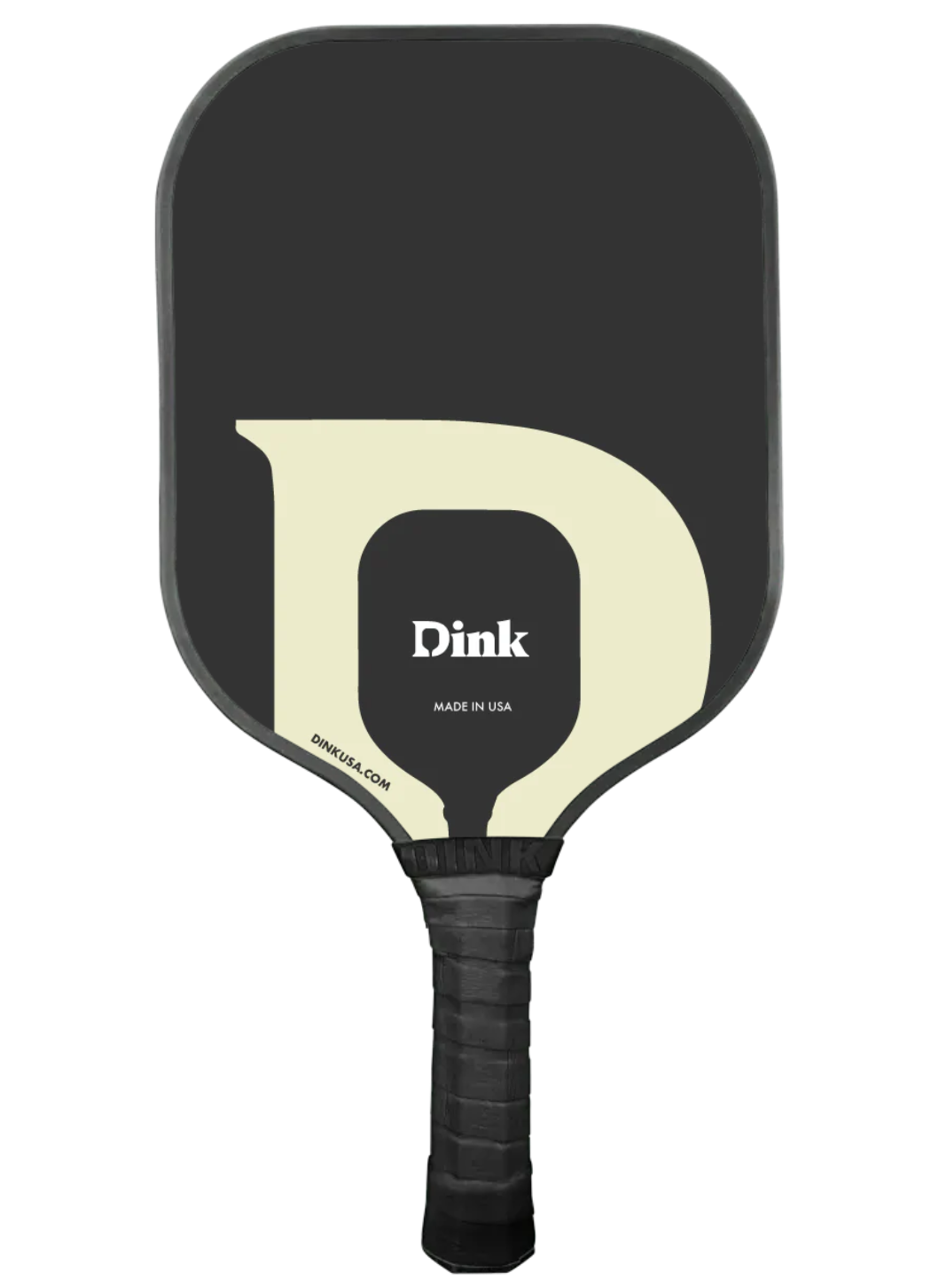
Make It Yours: Personalize One of Our Pickleball Paddle Designs
Starting from $59.99
Ignoring Opponent Positioning
Ignoring your opponent’s positioning while focusing too much on your partner often happens when players assume their partner will cover for them or when they react only to their teammate’s movements instead of reading the opponents’ strategy. As a result, they leave gaps on the court, fail to anticipate shots, and give the other team easy opportunities to exploit weaknesses.
How to Fix: Always keep your eyes on both opponents and adjust your positioning based on their shot selection and movement. Good communication with your partner is key, but it should never come at the expense of court awareness. Practice quick glances at your opponents before and after each shot so you’re always aware of their setup. Also, work on lateral movement drills with your partner to improve coordination without losing track of the opposing team.
Extra Tip: Being mindful of both your partner and your opponents will make your team harder to beat.
Not Having a Clear Strategy
Many players step onto the pickleball court without a clear game plan, relying solely on instinct or reacting to their opponent’s shots. This lack of strategy often leads to unnecessary errors, poor shot selection, and lost points. Without a plan, players might find themselves stuck at the baseline too long, hitting random shots instead of setting up a point, or failing to capitalize on their opponent’s weaknesses.
How to Fix: A simple solution is establishing a basic pickleball strategy before the game—focusing on dinking, targeting a weaker player, or aiming to control the kitchen line.
Extra Tip: Observe your opponent’s tendencies early in the game and adjust your approach accordingly. Recognizing patterns in their play allows you to anticipate shots and make smarter, more strategic decisions.
Inconsistent Serving Techniques
Inconsistent serving can lead to lost points and frustration. Many players struggle with varying toss heights, grip changes, or improper follow-through, causing serves to be unpredictable. A weak or erratic serve gives opponents an easy return, putting you at an immediate disadvantage.
How to Fix: Focus on developing a consistent pre-serve routine—always use the same stance, grip, and motion. Practicing a smooth, controlled swing with a low-to-high motion can improve accuracy and power.
Extra Tip: Record yourself serving and analyze what might change between successful and unsuccessful serves. The more you refine your technique, the more confident and effective your pickleball serves will become.
Rushed Serves and Returns
Rushing through serves and returns often leads to errors like hitting the ball out of bounds or into the net. Players, especially beginners, tend to feel pressure to play quickly, resulting in poor technique and lack of control.
How to Fix: A great way to build patience in your game is to practice serving and returning with a metronome or counting in your head to maintain rhythm. Staying light on your feet helps you react smoothly rather than frantically swinging at the ball.
Extra Tip: Remember, precision beats speed—so take your time, stay balanced, and make every shot count.
Not Focusing on the Ball
Taking your eyes off the ball too soon, often in anticipation of your next shot or looking at your opponent, can lead to mishits, pop-ups, or completely missing the ball.
How to Fix: A great way to improve focus is to call out whether the ball is spinning or note its color as it approaches—this keeps your attention locked in. Avoid getting distracted by your opponent’s movements; trust your instincts and react after making clean contact. Practicing slow, controlled rallies can help reinforce this habit under pressure.
Extra Tip: Slightly widen your stance to keep you balanced and help track the ball better. Over time, improving ball focus will sharpen your reaction time and consistency, giving you a major edge in every game.
Lack of Readiness for Opponent's Speed-Ups
Many players stay too relaxed in the kitchen line, holding their paddle too low or in a poor position, making it difficult to react quickly. This often results in weak returns, pop-ups, or outright loss of points.
How to Fix: Always keep your paddle up and in front of your body, ready for quick exchanges. A good habit is maintaining a slight bend in your knees and staying on the balls of your feet so you can react swiftly. Anticipation is key—watch your opponent’s paddle angle and body positioning for clues that they’re about to accelerate the ball.
Extra Tip: Practice blocking fast shots with minimal movement, using your paddle as a shield rather than trying to swing. Staying calm under pressure and absorbing the pace instead of fighting it will help you handle speed-ups more effectively.

Buy Your Mystery Paddle Right Now
$19.99
Unreliable Backhand Volley Flicks/Rolls
Some players attempt to execute flashy backhand flicks or rolls at the net, hoping to generate spin and catch their opponents off guard. However, these shots often lack consistency because they require precise wrist control and perfect timing. When done incorrectly, the ball either sails out, drops into the net, or becomes an easy put-away for the opponent.
How to Fix: Instead of relying on risky flicks, focus on a controlled and compact backhand volley, using your whole arm rather than just your wrist. A firm, stable paddle face with minimal movement will improve accuracy and make your shots more predictable. If you do want to add deception or spin, practice soft roll shots with controlled follow-through rather than an exaggerated flick.
Extra Tip: Watch the opponent’s positioning before deciding on placement—aiming at their feet or into open court space is often more effective than trying to out-spin them.
Attempting to "Paint the Line" (Aiming for Risky Shots)
Many make the mistake of trying to hit the ball as close to the sidelines or baselines as possible, believing that precision will give them a competitive edge. While a well-placed shot can be effective, aiming too close to the lines increases the risk of hitting the ball out or making an unforced error. This strategy often backfires, especially under pressure, as even slight miscalculations can cost valuable points.
How to Fix: Instead of aiming for the absolute edge, players should target a safer margin inside the court, allowing for slight mis-hits while still keeping the ball in play. A good rule of thumb is to aim at least a foot inside the lines, prioritizing consistency over perfection. To pressure your opponent, focus on shot placement and spin rather than razor-thin accuracy.
Extra Tip: Practicing deep shots that land near the baseline without flirting with the out-of-bounds area can be a more reliable way to control the game.
Not Practicing Different Shots
Getting comfortable with just a few basic shots, like the serve and groundstrokes, but neglecting the variety needed to excel in pickleball can limit the players. This limitation makes them predictable and easy to counter, especially against skilled opponents who can anticipate their every move. To keep their game dynamic, well-rounded players should practice dinks, volleys, lobs, drop shots, and even spin techniques.
How to Fix: The best way to improve is by incorporating drills focusing on each type of shot rather than just playing casual games. Working with a partner or a ball machine can help fine-tune accuracy and consistency. Another great approach is to analyze professional matches and try to replicate their shot selection in practice.
Extra Tip: Don’t forget to vary your shots even in recreational games—it’s the perfect time to experiment and develop confidence in your entire arsenal.
Wearing Uncomfortable Clothes or Shoes
Underestimating the impact of their clothing and footwear on their game leads to discomfort, distraction, and even injury. Tight or restrictive clothing can limit your movement, making it harder to reach shots, while loose or baggy clothes might get in the way. The biggest mistake, however, is wearing improper shoes—running shoes, for example, lack the lateral support needed for the quick side-to-side movements in pickleball, increasing the risk of ankle injuries.
How to Fix: The best solution is to invest in court-specific shoes that provide good grip, stability, and cushioning to protect your joints. When it comes to apparel, opt for moisture-wicking, breathable fabrics that allow a full range of motion. A simple but often overlooked tip is to test your gear in practice sessions before wearing it in a match—breaking in new shoes and ensuring your outfit feels right can save you from discomfort mid-game.
Extra Tip: Don’t forget to check your socks; well-cushioned, moisture-wicking socks can prevent blisters and keep your feet comfortable during long play sessions.
Lack of Footwork and Balance
Failing to move your feet properly leads to poor balance and awkward shot execution. Many players, especially beginners, stand flat-footed or reach for the ball instead of getting into position. This results in weak returns, loss of control, and difficulty reacting to fast shots.
focus on staying light on your feet and using small, quick steps to adjust your positioning.
How to Fix: Always try to set your feet before hitting the ball rather than swinging while off-balance. A great way to improve footwork is by practicing split steps—small hops that prepare you to move in any direction. Maintaining a low athletic stance will help with stability and quicker reactions.
Extra Tip: Good footwork isn’t just about getting to the ball—it’s about setting yourself up for a strong and controlled shot every time.
Not Analyzing Your Weaknesses and Strengths
Many players focus solely on playing more games instead of reflecting on what they do well and where they struggle. Without this self-awareness, you may keep making the same errors, like weak backhand returns or poor positioning at the net, without realizing what’s holding you back. How to Fix: A simple solution is to record your matches or ask a skilled player for feedback. Take note of patterns—are you consistently losing points on dinks, serves, or volleys? Once you identify your weak spots, dedicate time to drills that specifically target those areas while continuing to sharpen your strengths.
Extra Tip: Play against various opponents—this exposes your weaknesses faster than repeatedly playing the same partners, forcing you to adjust and improve.
Hitting the Ball from Below Your Knees
Attempting to hit the ball when it’s too low, often below knee level, usually results in a weak shot that either pops up for an easy opponent smash or goes straight into the net. The problem stems from poor positioning—many players wait for the ball instead of moving their feet to get into a better spot.
How to Fix: The best way to fix this is by bending your knees and getting under the ball rather than simply reaching for it with your paddle. Ideally, you should try to hit the ball at a higher contact point by positioning yourself earlier and preparing for the shot in advance. When faced with a really low ball, consider hitting a soft dink or a defensive reset shot instead of forcing an aggressive return.
Extra Tip: Stay on the balls of your feet, keeping your body light and ready to adjust quickly. This small change in footwork can make a big difference in preventing rushed, low-contact shots.
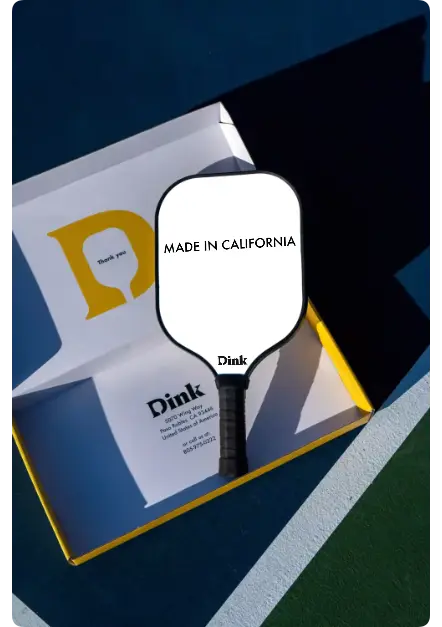
Buy Custom Pickleball Paddles Made in the USA
Starting from $79.99/each
Not Practicing Defensive Play
Many focus heavily on offensive shots but neglect the importance of solid defensive play. Under pressure, they often panic, hit weak returns, or try to go for risky winners instead of resetting the point. A strong defense can turn the tide of a rally, giving you time to regain control and force your opponent into errors.
How to Fix: Learn how to reset the ball effectively—hitting soft, controlled shots that land in the kitchen, forcing your opponents to slow down. Another great strategy is mastering the block volley, which absorbs the opponent’s power instead of trying to counter it aggressively.
Extra Tip: Remember, the best players know when to attack, but even more importantly, they know how to stay at the point until the right opportunity comes.
Skipping Warm-Ups and Cool-Downs
Without a proper warm-up, your muscles and joints are stiff, increasing the risk of injuries like strains or sprains. A good warm-up should include light jogging, dynamic stretches, and practice shots to get your body game-ready. On the other hand, neglecting a cool-down can leave you feeling sore and stiff the next day as lactic acid builds up in your muscles.
How to Fix: Take five minutes after playing to stretch and do slow movements to help your body recover.
Extra Tip: Incorporate mobility exercises, like ankle and wrist circles, which improve flexibility and reduce strain on key joints.
Meet the Expert

Nadya Morison
Hi, I'm Nadya — a longtime content and data researcher with a passion for storytelling, trends, and all things curious. Over the years, I’ve written for various websites, diving into everything from cultural shifts to consumer behavior. On the Dink´s blog, I bring my research brain (and paddle) to the court to explore the sport’s growth, community, and unexpected cultural moments.


