
How to Clean a Pickleball Paddle (Without Damaging It)
Cleaning your pickleball paddle is one of the easiest ways to keep it performing at its best and lasting longer, although it’s often overlooked.
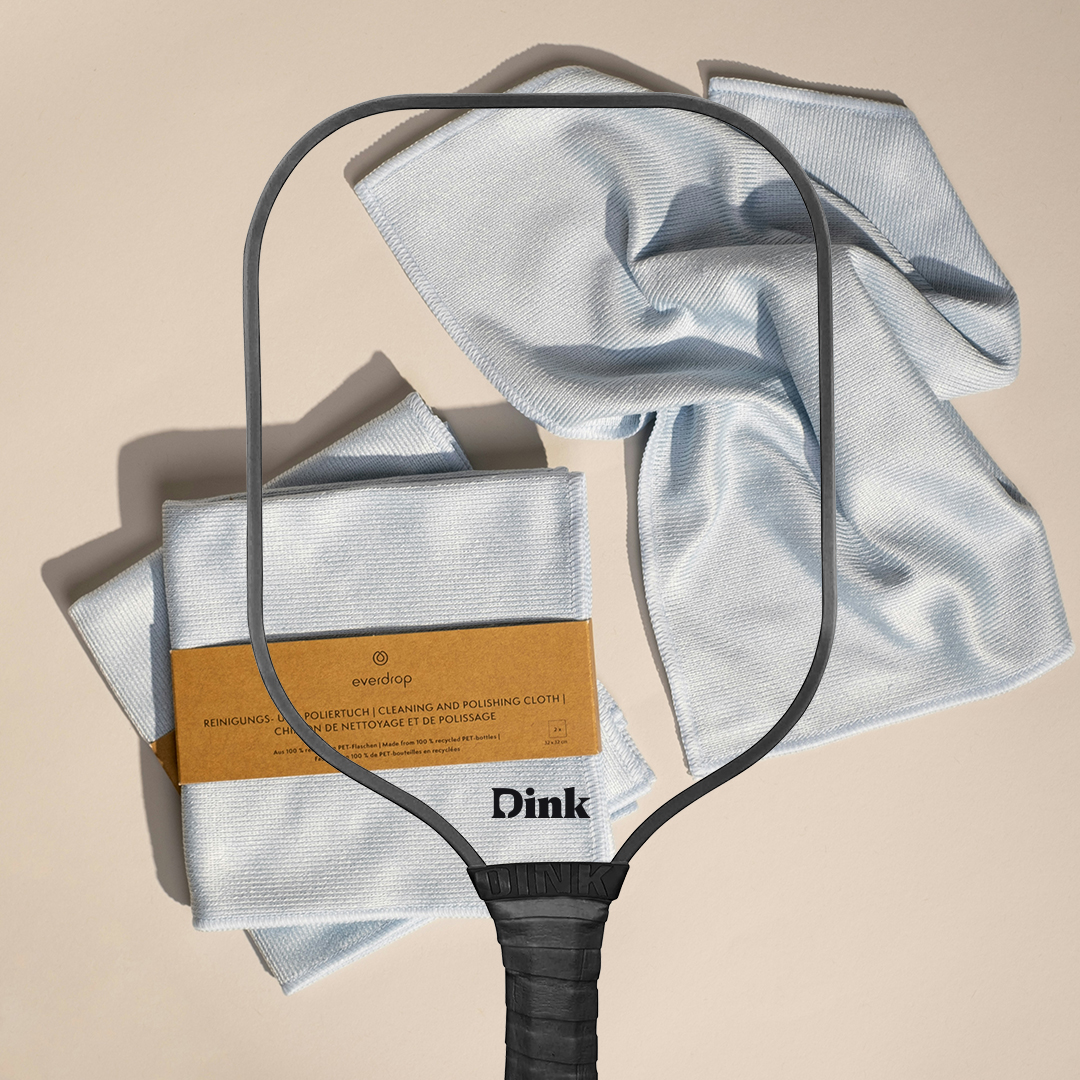
Over time, dirt, sweat, and ball residue can wear down the paddle materials. Cleaning it doesn’t take long, and you don’t need any fancy tools or expensive products. But be careful, using the wrong cleaning method can actually damage the surface or reduce performance.
In this article, we explain how to clean your paddle based on its material, what tools to use, what to avoid, and how often to do it.
What You’ll Need to Clean Your Pickleball Paddle
To clean your pickleball paddle properly, you don’t need a long list of products; only a few simple items. Most likely, you already have many of these at home. Remember that using the correct materials and cleansers will help you avoid damaging the paddle’s surface. Here’s what you’ll need:
Microfiber cloth. It’s soft enough for wiping dirt without scratching the surface.
Mild dish soap. A drop or two mixed with warm water is all you need for safe cleaning.
Lukewarm water. The temperature should not be too hot, nor too cold; it should be just enough to mix with the soap.
Clean towel. You will need it to fully dry the paddle after cleaning it.
Grip cleaner or replacement grip (optional). This is useful if the handle is very dirty, feels slick, or smells of sweat.
Important Note: Don’t use any erasers with Dink´s custom paddles. Do not use a heater or hair dryer.
Know Your Pickleball Paddle’s Material
Before cleaning your pickleball paddle, it's essential to understand its composition; otherwise, you may irreparably damage it. Different materials respond differently to moisture, pressure, and cleaning products. For example, our pickleball paddles are made of composite, fiberglass, and carbon fiber materials, each with its own specific care requirements.
Extra Tip: Knowing what material you're working with is the first step to cleaning your paddle the right way and keeping it in top shape longer.
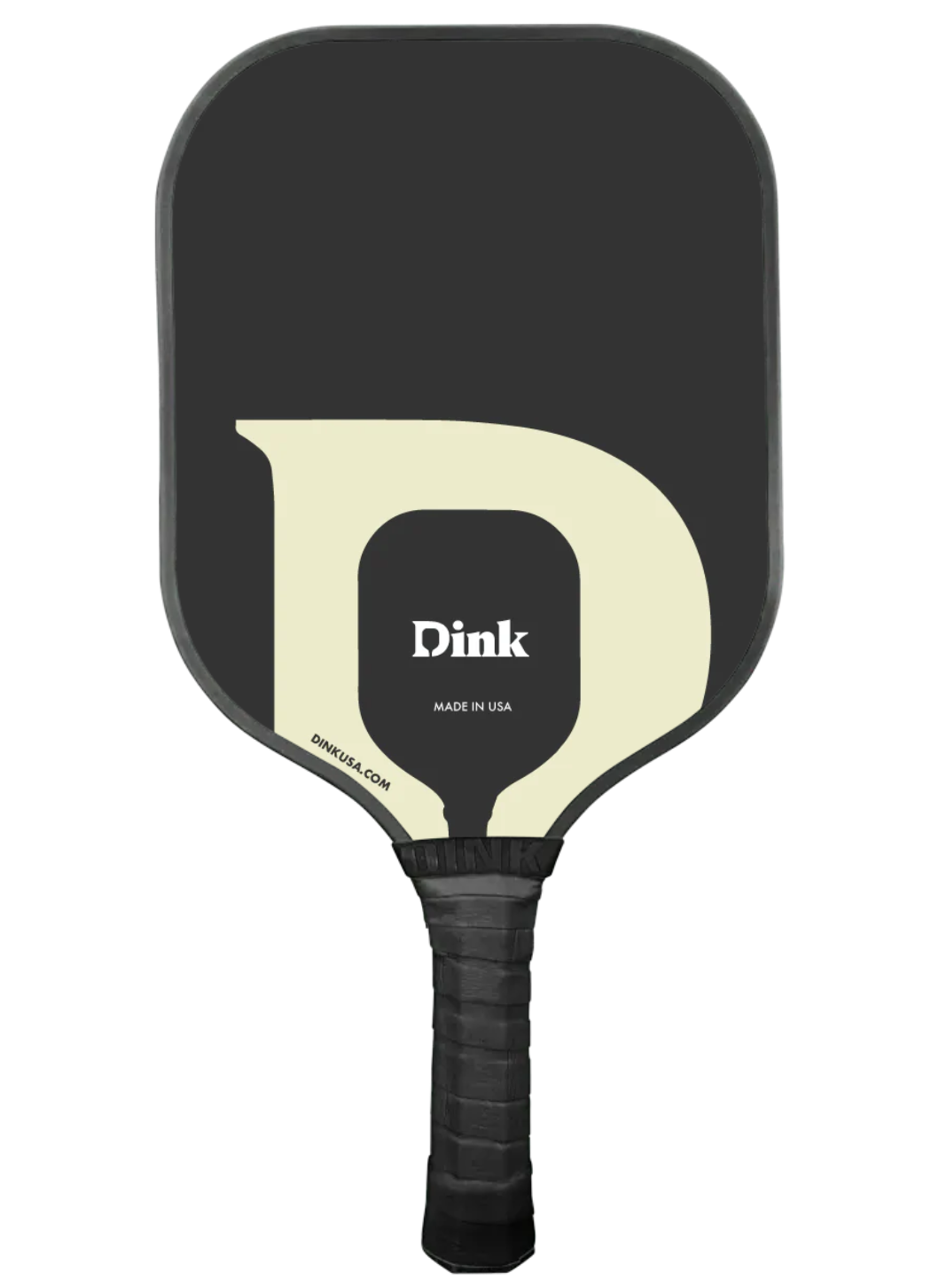
Make It Yours: Personalize One of Our Pickleball Paddle Designs
Starting from $59.99
Step-by-Step Cleaning Process (For All Paddle Types)
Cleaning any pickleball paddle properly begins with wiping off loose dust, sand, or debris using a dry, soft microfiber cloth. This prevents scratching the surface during deeper cleaning.
Next, mix a small amount of mild dish soap with warm water in a bowl; just a few drops of soap are enough. Remember, you should avoid soaking it fully in the water. Dampen another clean microfiber cloth in the soapy water, then gently wipe down the paddle face. Pay extra attention to areas with visible ball marks, but avoid pressing too hard, especially on textured surfaces.
Avoid using any liquids or hard materials if you don’t know your pickleball paddle’s material. Pay special attention to keeping water away from the paddle’s edge guard or any exposed seams to prevent long-term damage. It’s also a good idea to check the grip and clean or replace it if it’s sticky or worn.
Once cleaned, immediately dry the entire paddle with a dry towel, focusing on the edges and handle where moisture can seep in. Let it air dry fully before covering it or putting it in your bag. Never use heat, sunlight, or hair dryers to speed up the drying process.
Also read:
When Is It Time to Change Your Pickleball Paddle?
How Long Do Pickleball Paddles Last?
How to Clean a Composite Pickleball Paddle
Ensure that you are careful not to scrub too hard, as excessive pressure can wear down the surface material and the custom print.
Do not use harsh chemicals, alcohol-based cleaners, or scrubbing pads, as these can damage the composite material.
Extra Tip: Composite paddles are generally durable, but they can lose texture if over-scrubbed.
How to Clean a Fiberglass Pickleball Paddle
Avoid using paper towels or rough fabrics, as fiberglass can scratch more easily than composite or carbon fiber.
If there are, you can use a very soft toothbrush with the same soap solution, but apply very light pressure and be cautious not to damage the surface texture. Never use alcohol, bleach, or strong chemical cleaners, as these can easily break down the fiberglass material.
Extra Tip: Fiberglass paddles often have a gritty texture for spin; cleaning too aggressively can wear that down.
Also read:
Dink’s Custom Pickleball Paddles Print Guarantee
How to Clean a Carbon Fiber Pickleball Paddle
Carbon fiber paddles are high-performance and need gentle care to maintain their textured surface and responsiveness. Avoid using hard materials or scrubbers, as they can easily scratch the carbon fiber finish. Avoid harsh chemicals or alcohol-based cleaners, which can damage the surface.
Gently wipe the paddle in circular motions, being careful around any textured or painted areas.
Extra Tip: Carbon fiber paddles are sleek and high-performance; treat them with the same care as a sports car or other valuable equipment.
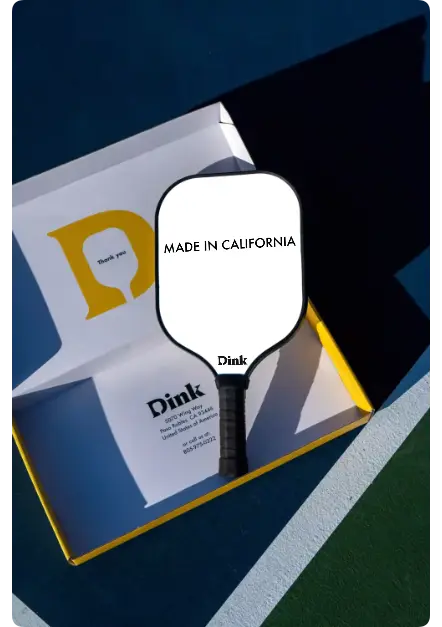
Buy Custom Pickleball Paddles Made in the USA
Starting from $79.99/each
What NOT to Do When Cleaning Your Paddle
When cleaning your pickleball paddle, avoid soaking it in water. Never use harsh chemicals like bleach, acetone, or alcohol-based cleaners, as these can strip away the paddle’s protective coating and degrade the surface texture.
Rough sponges or steel wool should also be avoided. Don’t apply cleaning solutions directly onto the paddle; instead, apply them to a soft cloth to maintain better control and avoid oversaturation.
Never use household glass cleaners or other harsh solvents, as they may contain ammonia, which can damage the surface. Lastly, if your paddle has visible cracks, do not attempt to clean or repair it without consulting the manufacturer, as improper handling could make it worse.
Also read:
Pickleball on a Budget: Where to Save and Where to Invest
FAQs: Quick Answers About Paddle Cleaning
How Often Should You Clean Your Paddle?
It depends on how frequently and where you play. If you play outdoors, especially on dusty or dirty courts, it’s a good idea to gently wipe down your paddle after every session. Indoor players can clean their paddles once a week or every few games, depending on use.
Can you use disinfectant wipes to clean your pickleball paddle?
If you want to use wipes, look for alcohol-free, non-abrasive versions that are safe for delicate surfaces. Most standard disinfectant wipes contain alcohol or harsh chemicals that can slowly damage the surface of your paddle.
Can I use vinegar or natural cleaners to clean a pickleball paddle?
We do not recommend using vinegar to clean the paddle, even if diluted. Vinegar is a mild acid that can gradually degrade the painting.
Meet the Expert

Nadya Morison
Hi, I'm Nadya — a longtime content and data researcher with a passion for storytelling, trends, and all things curious. Over the years, I’ve written for various websites, diving into everything from cultural shifts to consumer behavior. On the Dink´s blog, I bring my research brain (and paddle) to the court to explore the sport’s growth, community, and unexpected cultural moments.