Indoor Pickleball Guide: Rules and Essential Equipment
Discover the key differences between indoor and outdoor pickleball and what to consider before playing.

Pickleball has rapidly grown in popularity, attracting players of all ages and skill levels. While the game can be played outdoors, indoor pickleball offers a controlled environment free from weather-related disruptions.
In this guide, we will walk you through the essential rules and equipment needed to enjoy indoor pickleball to the fullest.
Indoor Pickleball Court and Equipment
The courts are typically constructed with smooth, non-slip surfaces to ensure optimal play and player safety. Standard indoor courts follow the same dimensions as outdoor ones, measuring 20 feet wide by 44 feet long, with a non-volley zone (kitchen) extending 7 feet from the net on both sides.
Equipment for indoor pickleball differs slightly from that used for outdoor play. Indoor pickleball balls are designed with fewer, larger holes, usually 26, making them lighter and slower than outdoor balls, which have smaller holes and are more wind-resistant. Pickleball paddles materials used indoors can be made of composite, fiberglass, and carbon fiber.
The net system in an indoor setting remains at a height of 34 inches in the center and 36 inches at the edges. Many indoor facilities offer portable or permanent net systems, depending on the venue’s purpose.
Remember, proper court shoes with non-marking soles are crucial for indoor play to maintain grip and avoid damaging the surface.
Additional equipment may include court dividers, boundary markers, and seating areas for players. Some indoor venues provide ball machines for solo practice, allowing players to improve their skills without needing a partner.
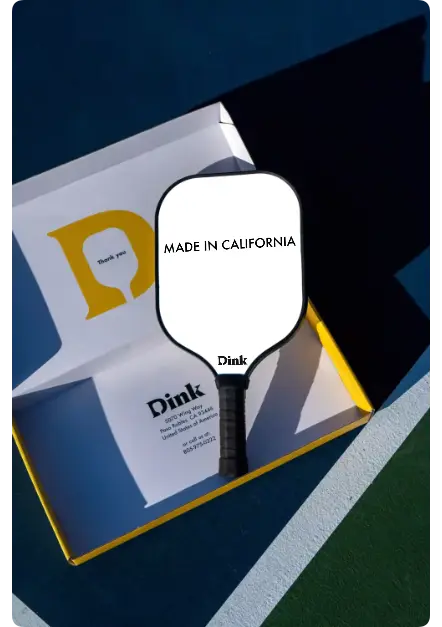
Design a Custom Pickleball Paddle to Make the Game More Enjoyable
Starting from $59.99/each
Indoor Pickleball Rules
Indoor pickleball follows the same fundamental rules as outdoor play, but there are some slight differences in the gameplay to remember. Because of the materials used in indoor court flooring, the ball tends to bounce lower than on outdoor surfaces. You should adjust your game by anticipating lower bounces and using softer shots.
Ensure you use an underhand motion and keep the ball below your waist when serving. Aim for deep serves to push your opponent back and gain control of the rally. Indoor play is often faster-paced due to court conditions, so quick reflexes and strategic shots are crucial. Dinking and drop shots remain effective but require more precision due to the smooth surface.
Where to Play Indoor Pickleball
Indoor pickleball has become increasingly popular across the United States, especially in regions with colder climates or unpredictable weather. Many community centers, gyms, and sports complexes now offer dedicated indoor pickleball courts, ensuring that players can enjoy the game year-round. Large fitness chains and tennis clubs often have courts available, while local recreation centers frequently host open play sessions. Many cities also have specialized pickleball clubs that provide indoor facilities for members and drop-in players.
In colder states like Minnesota, Wisconsin, and Michigan, indoor courts are essential for players who want to maintain their skills during winter. Southern states, such as Florida and Texas, also offer indoor options, catering to players who want to escape the extreme heat. Some venues use existing tennis or basketball courts, converting them with temporary pickleball lines and portable nets. Others have purpose-built courts designed to meet official pickleball regulations.
For those looking to find a court nearby, local pickleball Facebook groups and Meetup pages are excellent resources for discovering new indoor playing opportunities. Many locations offer open play sessions, leagues, and even lessons for beginners. Some clubs require memberships, while others allow pay-as-you-go access.
Before heading to an indoor court, checking if reservations are required is important, as some locations experience high demand.
Indoor vs. Outdoor Pickleball: Key Differences
Although pickleball can be played both indoors and outdoors, the experience varies depending on the setting. Factors like ball type, court surface, and weather conditions contribute to the differences between indoor and outdoor games. Understanding these distinctions can help you adjust your pickleball strategy and choose the right equipment for each environment.
Feature | Indoor Pickleball | Outdoor Pickleball |
Ball Type | Lighter, softer, with larger holes | Heavier, harder, with smaller holes |
Court Surface | Smoother surfaces like wood or gym floors | Rougher surfaces like concrete or asphalt |
Weather Conditions | Controlled environment, no wind or sun | Affected by wind, sun, and temperature |
Bounce | Lower, more predictable | Higher, can be inconsistent |
Noise Level | Generally quieter | Louder due to open space and hard surfaces |
Durability of Equipment | Balls last longer | Balls wear out faster due to rough surfaces |
Game Speed | Often slower and more controlled | Faster-paced with more powerful shots |
Indoor pickleball is typically played on wooden or synthetic gym floors, providing a smooth and consistent bounce. The balls used indoors are lighter and have larger holes, making them easier to control but more affected by air resistance. Since there’s no wind, players can focus on precision shots and soft drinks without external interference.
Outdoor pickleball, on the other hand, is played on harder surfaces like concrete or asphalt, which can make the ball bounce higher and less predictably. The outdoor pickleball ball is heavier with smaller holes to reduce the impact of wind. Players often need to adjust for weather conditions like sun glare or wind direction, making outdoor games more dynamic and physically demanding.
Both indoor and outdoor pickleball have their own challenges and benefits. Some players prefer the controlled environment of indoor play, while others enjoy the fresh air and fast-paced action of outdoor courts. Understanding these differences can help you refine your skills and enjoy pickleball in any setting.
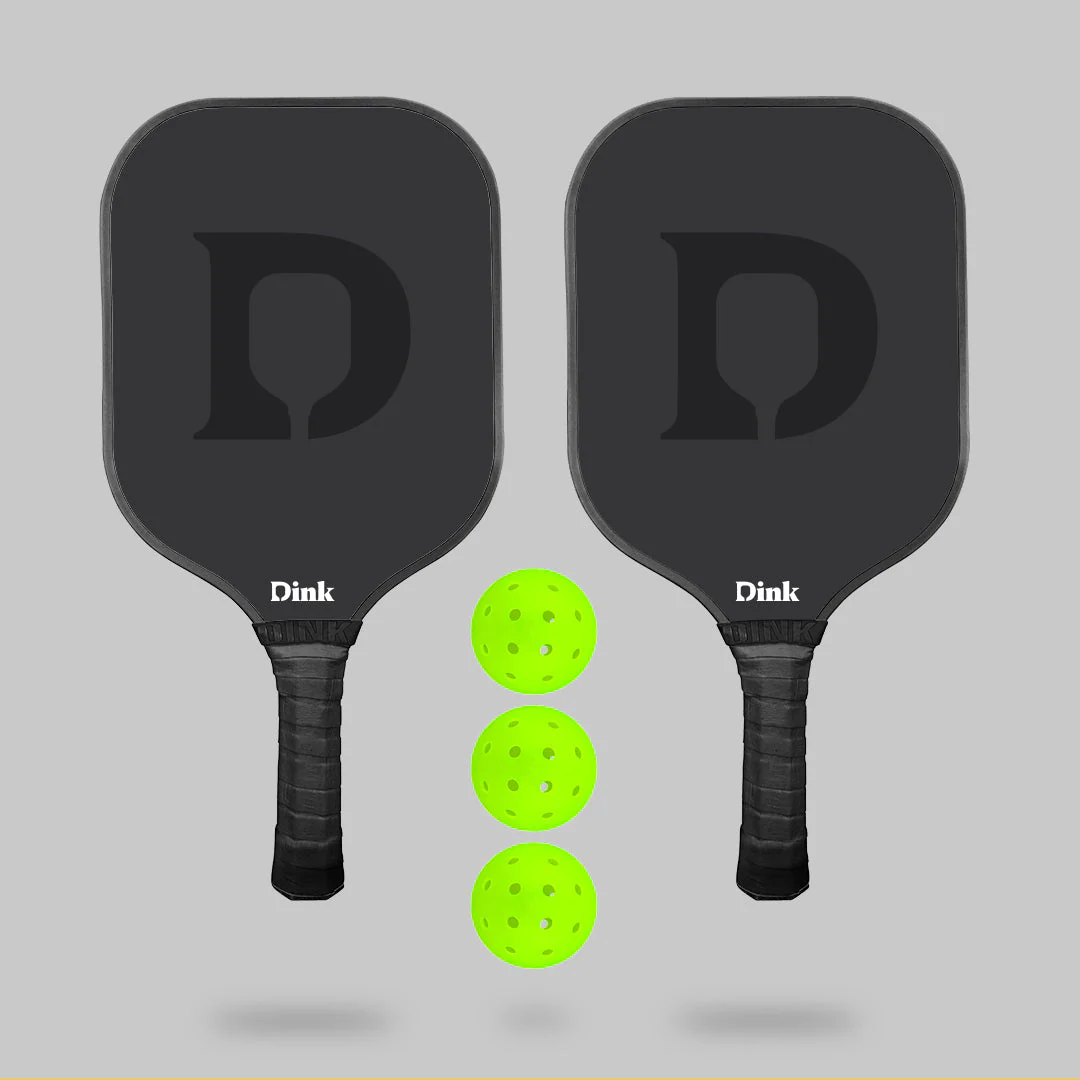
Dink’s Pickleball Set - Paddles and Balls
Starting from $199.99
Pickleball Set - Paddles and Balls
Meet the Expert

Mike Hardy
Hey, I’m Mike Hardy, founder of Dink. I’ve spent years learning everything there is to know about what makes a paddle play great, and I personally test every single one we make (sometimes until they break) to make sure they’re up to the challenge. So, in my articles, I want to share my knowledge with you to help you find the perfect pickleball equipment for you.