Top Health Benefits of Pickleball for the Mind and Body
Learn about the physical and mental health benefits of pickleball.
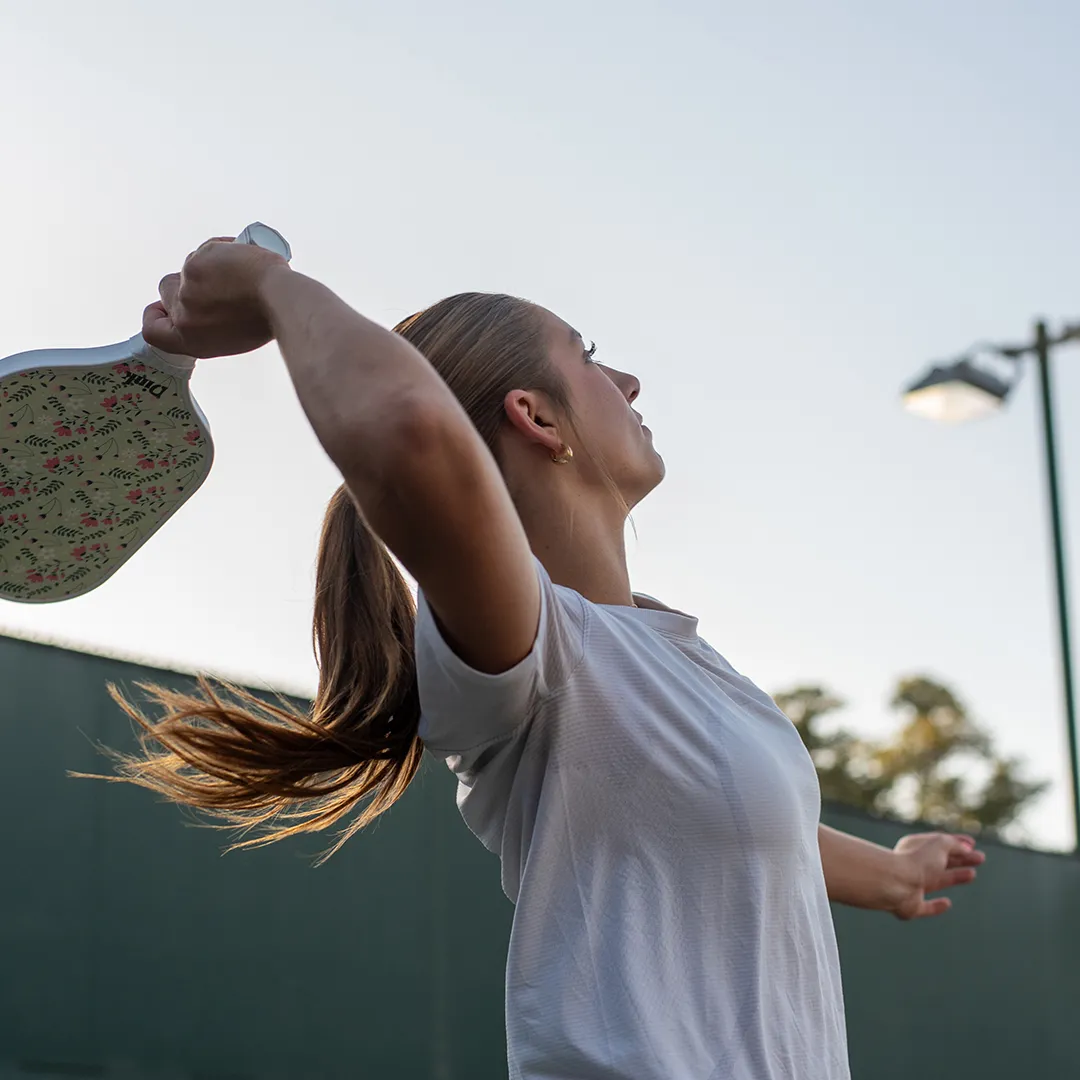
Pickleball has quickly become a favorite activity for people of all ages due to its accessible rules, social appeal, and low impact on the body. Beyond the physical benefits, pickleball also offers mental health advantages, promoting cognitive function and mental clarity. The game’s low-impact gameplay makes it an ideal sport for older adults. In this article, we researched pickleball's health benefits and why it's a worthwhile activity for both body and mind.
Physical Health Benefits of Pickleball
Pickleball is a fun and engaging game and a fantastic way to boost physical health. Unlike high-impact sports, pickleball involves controlled, low-impact movements, making it accessible while still providing a solid cardio workout.
Regular play helps improve heart health, endurance, and muscle strength, especially in the legs, core, and upper body. The quick movements required in pickleball help to enhance balance, agility, and hand-eye coordination. Its relatively short games and moderate pace make it a great way to stay active, burn calories, and maintain physical fitness.
Cardiovascular Health
The cardiovascular health benefits of pickleball are significant, making it an excellent way to improve heart health through moderate, enjoyable exercise. Continuous movement, quick bursts of energy, and steady aerobic activity help to strengthen the heart and improve blood circulation. Regular physical activity like pickleball has been shown to reduce the risk of heart disease by lowering blood pressure, controlling cholesterol levels, and improving overall cardiovascular function.
Aerobic exercise can significantly lower the risks of heart attack and stroke while improving oxygen flow throughout the body. It also offers accessibility to various age groups and fitness levels, making it especially suitable for older adults who may need a lower-impact option.
Improved Muscle Strength and Endurance
Playing pickleball engages multiple muscle groups and builds both strength and endurance.
During a game, players constantly use their legs, arms, core, and upper body, strengthening key muscles through dynamic movements like squatting, lunging, and reaching. These movements help improve lower body strength.
As players engage in prolonged rallies, they build endurance, or the ability to easily sustain physical activity for longer periods without tiring. This sustained muscle use over time can improve stamina, enabling players to play longer and enjoy other physical activities without quickly fatiguing. For older adults especially, increased muscle strength from pickleball can support better functional fitness and reduce the risk of muscle loss with age, making daily activities easier and safer.
Enhanced Balance, Coordination, and Agility
Pickleball is an excellent sport for improving balance, coordination, and agility due to its unique blend of quick, lateral movements and moderate aerobic demands. The game requires players to react swiftly to the ball, often changing directions, which activates stabilizing muscles that support balance. Regular play enhances coordination, as players focus on hand-eye skills to track the ball and make precise hits.
Each match requires controlled footwork, reflexive adjustments, and dynamic movement, improving lower and upper body coordination.
Weight Management and Calorie Burn
Pickleball offers an effective and enjoyable way to manage weight and burn calories, appealing to various fitness levels. Players burn significant calories quickly as they engage in swift footwork, strategic volleys, and quick directional changes. For example, an average person can burn approximately 350 calories in a 60-minute game, depending on their intensity level. Regular play aids in calorie burn, which is essential for weight management and can reduce body fat over time when combined with a balanced diet.
Explore and Experiment With Paddle Options to Find the Perfect Fit
Starting from $79.99/each
Mental Health Benefits of Pickleball
Playing pickleball offers notable mental health benefits, including stress relief and mood improvement, thanks to the physical activity it requires, which boosts endorphin levels:
Stress relief and relaxation
Playing pickleball offers significant benefits for stress relief and relaxation. Physical activity stimulates the release of endorphins, often called “feel-good” hormones, which naturally alleviate stress. Pickleball's moderate pace and relatively low injury risk make it accessible for players of all ages, encouraging sustained engagement that promotes overall mental well-being. It can also be a mindful break from daily routines, allowing players to focus on the moment and unwind. Even short pickleball sessions can reduce stress levels, making it an excellent activity for those looking to balance physical fitness with mental relaxation.
Cognitive benefits
Pickleball's fast-paced nature encourages quick decision-making and strategic thinking, strengthening the brain’s prefrontal cortex and hippocampus, which are essential for memory and problem-solving. Regular play can enhance spatial awareness, balance, and coordination, which is critical for maintaining cognitive function, particularly as people age.
Combating anxiety and depression
Physical activity in pickleball releases tension and mental strain while also increasing serotonin and dopamine, chemicals that promote feelings of happiness and reduce symptoms of depression and anxiety.
Pickleball's quick gameplay promotes mindfulness, helping players focus on the present and redirect attention from daily worries. The inclusive environment supports players in maintaining a positive and balanced mental outlook. Pickleball provides a sense of accomplishment and an enjoyable social network for those seeking emotional and mental stability.
Social Health Benefits of Pickleball
Pickleball offers significant social health benefits, fostering connections among players of all ages and backgrounds. This accessible sport encourages community bonding as players gather for friendly, competitive play on the court.
Building friendships and social connections: The game offers more than just a fun way to stay active; it also fosters friendships and social connections, making it a unique community-building sport. Pickleball’s popularity is driven not only by its accessibility across ages and skill levels but also by the strong sense of camaraderie it promotes. Pickleball players often form connections through clubs, local tournaments, and group play, where shared experiences translate into friendly relationships off the court. Many players value the sport for the friendships they develop, with regular play often turning casual acquaintances into friendships.
A supportive environment for all skill levels and ages: Pickleball is known for its inclusive and supportive environment, making it an ideal sport for people of all ages and skill levels. It is often structured to support different skill levels through recreational leagues, clinics, and social gatherings. These formats encourage new players to start comfortably, allowing them to develop skills alongside others in their range. Pickleball offers valuable social benefits by catering to a broad age range, connecting people across generations.
Pickleball as a Tool for Rehabilitation and Physical Therapy
Pickleball has gained traction as a valuable tool in rehabilitation and physical therapy, providing a low-impact yet effective form of exercise that is gentle on joints and accessible to people of all ages. Physical therapists have incorporated pickleball into recovery programs to help patients improve cardiovascular health, endurance, and balance, which are vital for physical rehabilitation. The sport involves quick lateral movements and weight shifts, which help improve joint flexibility, mobility, and proprioception (body awareness). These are key goals in many physical therapy treatments for injury and fall prevention.
Physical therapists can customize pickleball activities to suit each patient's individual needs and physical limitations, ensuring safe engagement and gradual progression in rehabilitation goals.
References:
Meet the Expert

Mike Hardy
Hey, I’m Mike Hardy, founder of Dink. I’ve spent years learning everything there is to know about what makes a paddle play great, and I personally test every single one we make (sometimes until they break) to make sure they’re up to the challenge. So, in my articles, I want to share my knowledge with you to help you find the perfect pickleball equipment for you.