How to Prevent Injuries When Playing Pickleball: Actionable Tips
If you are a pickleball player, injury prevention should be part of your pickleball routine.
While pickleball is low-impact, it still carries a risk of injury, especially as play becomes more competitive or frequent. The good news is that most pickleball injuries are preventable with the right habits and preparation.
In this article, I combined insights from our team members with thorough research to bring you the most comprehensive list of practical tips to help you play smarter and stay injury-free on the pickleball court.
Warm-Up and Cool-Down: Non-Negotiables
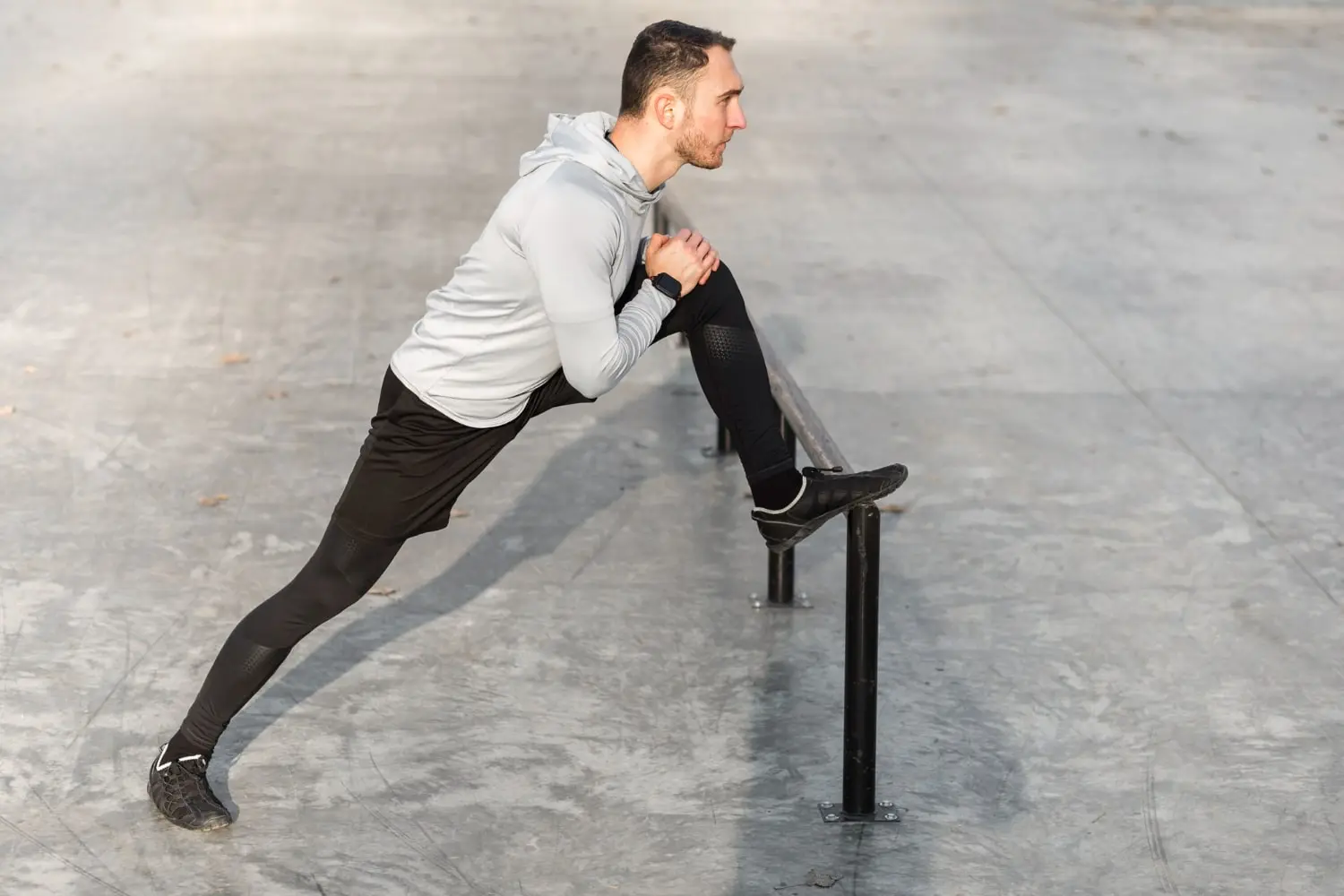
Engaging in proper warm-up and cool-down routines is essential for preventing injuries in pickleball, and it can't be overlooked or skipped. A full warm-up prepares the body for the pickleball game by increasing blood flow, elevating muscle temperature, and enhancing joint flexibility.
This process ensures muscles receive adequate oxygen, reducing the likelihood of strains or tears. A gradual increase in heart rate during warm-up lessens the sudden cardiovascular stress experienced during intense play, especially for the senior pickleball players.
Effective Warm-Up Routine (5–10 minutes)
An effective warm-up should last between 5 and 10 minutes and include:
Light cardio: Activities such as brisk walking or jumping jacks elevate heart rate and increase blood circulation to the muscles.
Dynamic stretches: Incorporating movements like arm circles and leg swings enhances muscle elasticity and joint mobility, preparing the body for the dynamic actions required in pickleball.
Cool-Down Techniques
Post-game cool-down is equally important to facilitate recovery and prevent muscle stiffness. Effective cool-down techniques include:
Gentle stretching: Focusing on major muscle groups used during play helps in reducing muscle tension and promotes flexibility.
Hydration and correct breathing: Replenishing fluids lost during play and practicing deep breathing exercises aid in lowering heart rate and supporting overall recovery.
Strength, Balance, and Flexibility Training
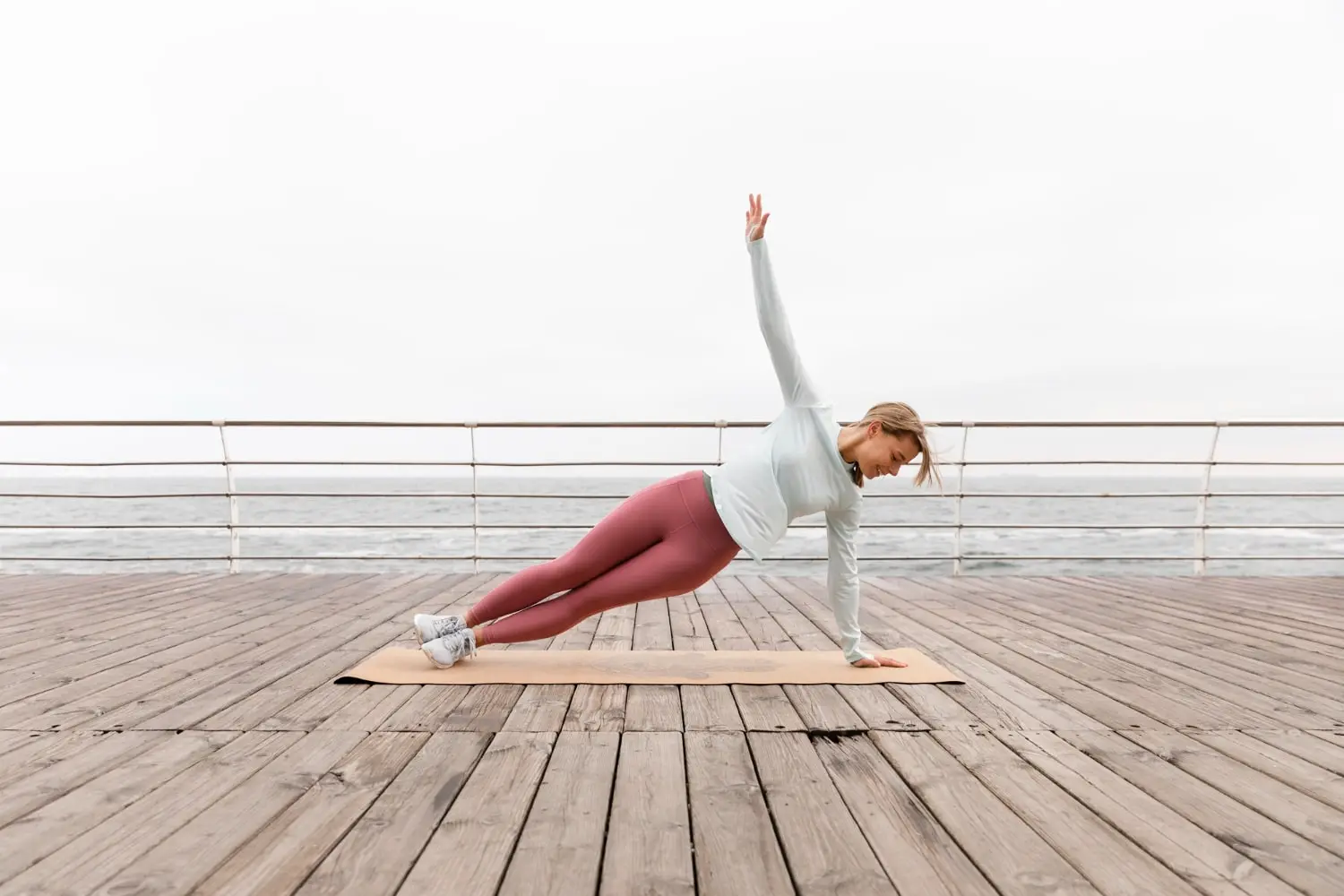
Incorporating strength, balance, and flexibility training into your pickleball routine is another essential step for enhancing performance. A study emphasizes that a well-rounded training program, including strength and flexibility exercises, can significantly reduce injury risks in pickleball players.
Key Areas to Strengthen
Core muscles for balance and stability: A strong core stabilizes the spine and pelvis, providing a solid foundation for all movements on the court.
Legs and glutes for quick movements: Strengthening these muscles through squats and lunges improves agility and reduces the likelihood of lower-body injuries.
Shoulders and forearms for paddle control: Resistance band exercises targeting the rotator cuff and forearm muscles can prevent overuse injuries common in racket sports.
Incorporating Cross-Training
You can diversify your fitness routine with cross-training activities like yoga, pilates, and resistance training:
Yoga - Improves flexibility, balance, and mental focus, which are crucial for pickleball.
Pilates - Focuses on core strength, stability, and overall body awareness.
Resistance training: Builds muscle strength and endurance, supporting the physical demands of pickleball.
Proper Technique and Form
Sometimes, the improper technique and form can cause serious injuries, especially for beginners or younger players. Focusing on improving these areas is crucial in pickleball to enhance performance and, importantly, to prevent injuries.
Instructions from professional coaches offer tailored feedback on stroke mechanics, footwork, and strategic play. Coaches can identify and correct subtle errors that might predispose players to injuries.
Participating in lessons or clinics provides a structured learning routine where players can focus on specific aspects of their game under expert supervision.
Emphasizing controlled, balanced strokes ensures efficient energy transfer and reduces undue stress on the body.
Proper footwork, including maintaining a ready position and executing controlled lunges, is vital for safe movement on the court.
Learning the correct pickleball paddle grip technique enhances shot accuracy and reduces the risk of overuse injuries.
Equipment and Court Safety
When talking about pickleball injury prevention, we can't overlook the correct pickleball equipment and the court safety rules
Wearing the right shoes is key to preventing injuries in pickleball; you can’t just wear any pair from around the house, especially ones meant for other sports. For example, unlike running shoes, which are designed for forward motion, court shoes are specifically made to support the lateral movements, quick pivots, and sudden stops inherent in pickleball.
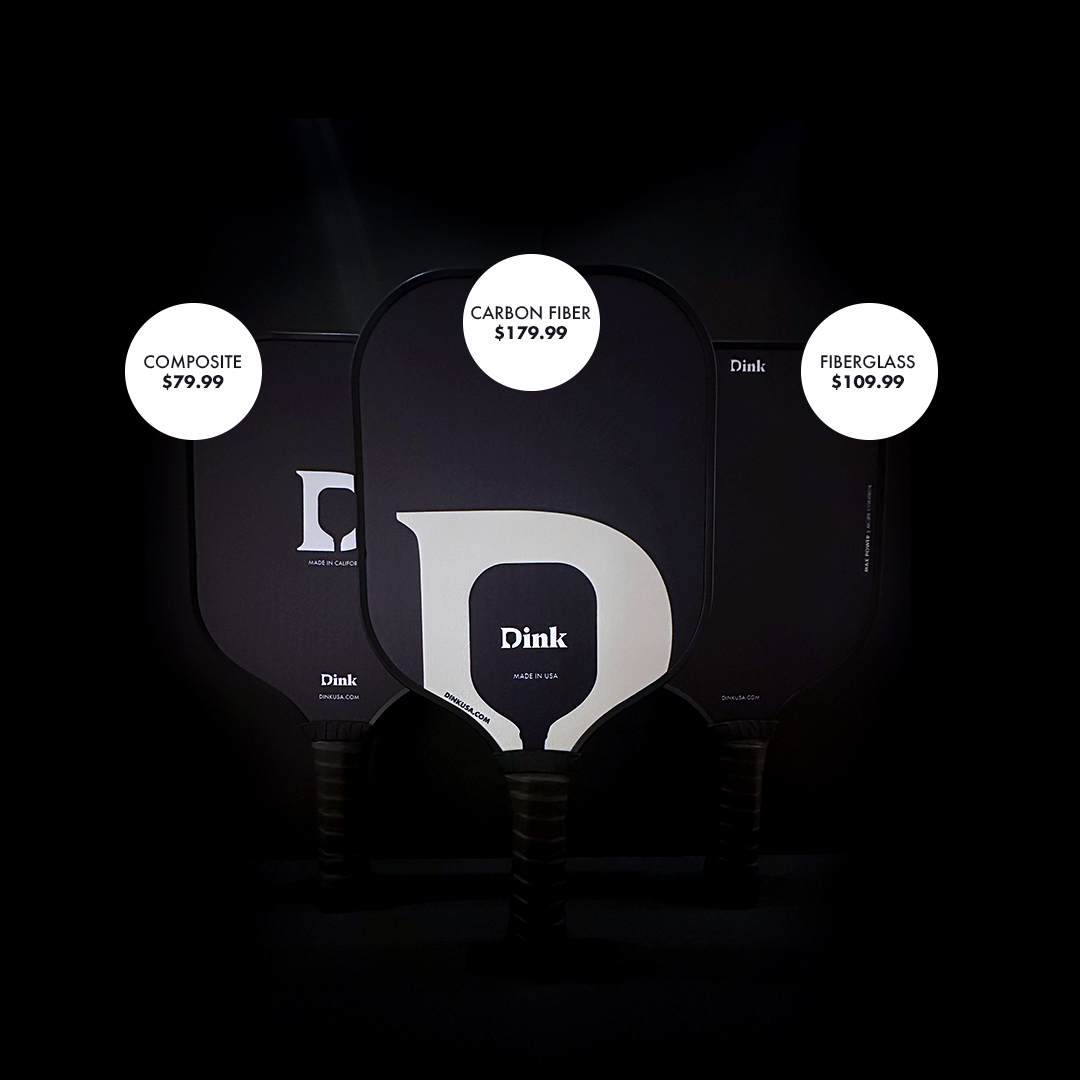
Choosing the right paddle is one of the most important factors. If you're not training for professional tournaments, it's better to opt for a custom pickleball paddle. This allows you to select the paddle material, weight, and grip size. Each of these factors plays a significant role in preventing joint strain and injuries. A paddle that is too heavy can lead to fatigue and increase the risk of elbow injuries, while a very light paddle may require more forceful swings, potentially causing muscle strain. And a grip that's too large or too small can lead to wrist and forearm strain.
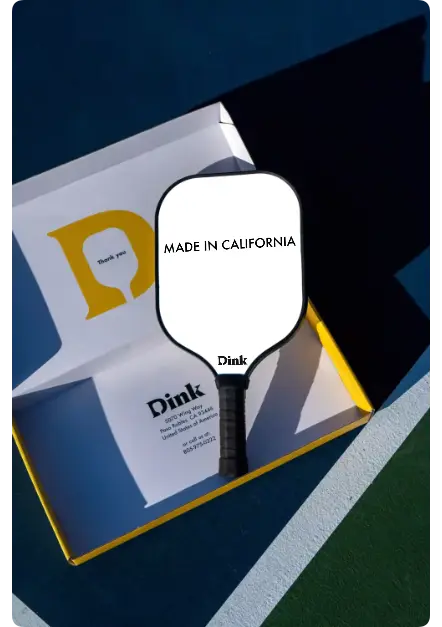
Design Your Perfect Pickleball Paddle
Starting from $79.99/each
Create the perfect paddle for your skill level and playing style!
It may seem unimportant, but regularly inspecting the court for moisture, debris, or cracks can prevent slips and falls. You should be mindful of your surroundings, respect boundaries, and communicate effectively to avoid collisions with others on the court.
Know Your Limits: Listen to Your Body
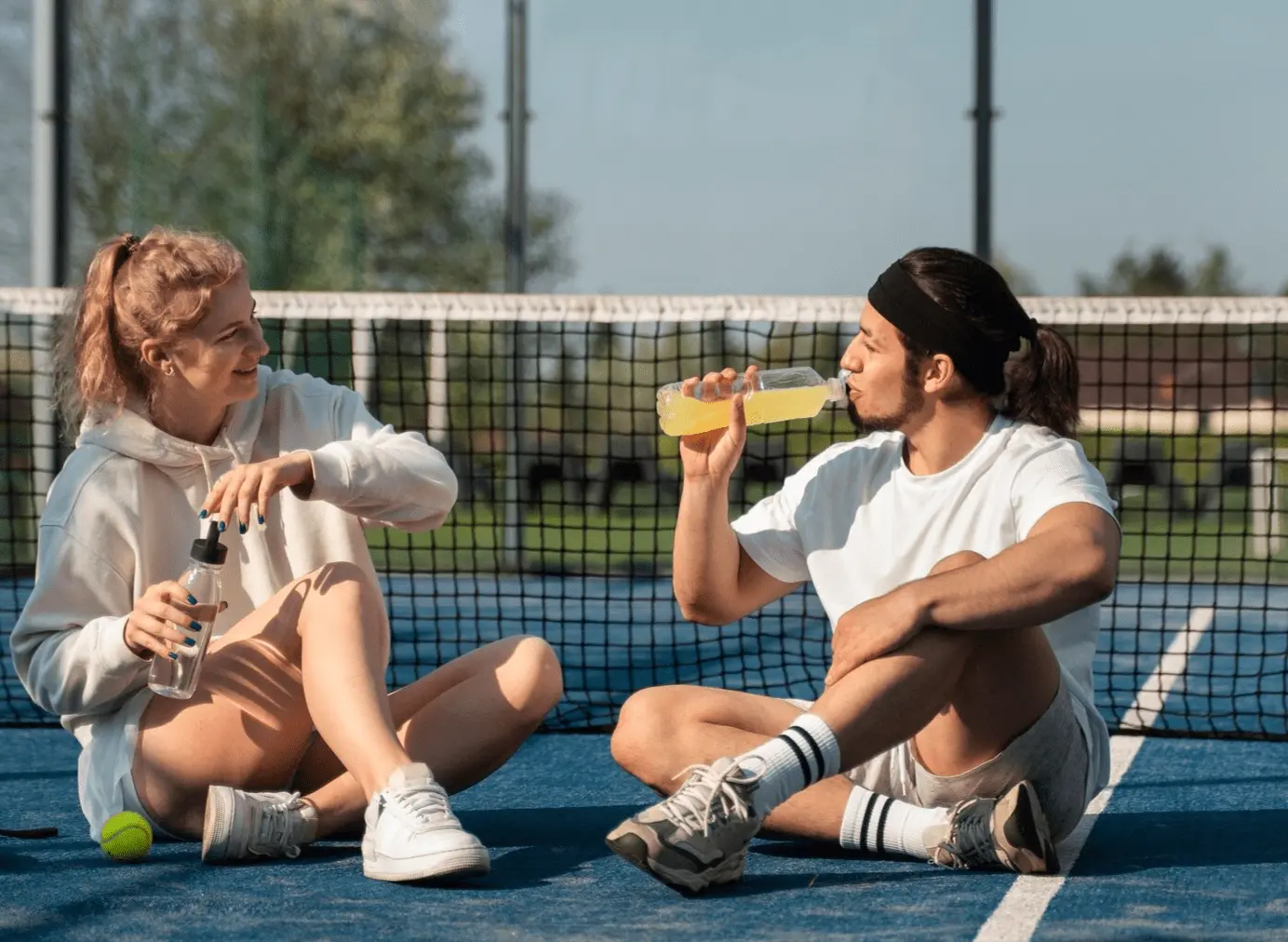
Playing pickleball offers numerous health benefits, but it's crucial to recognize and respect your body's signals to prevent injuries. Understanding when to rest, the significance of recovery, and when to seek medical attention can help maintain your health.
Signs you need rest
Persistent soreness or swelling: Experiencing continuous pain or swelling that doesn't subside with rest may indicate an overuse injury or inflammation.
Reduced range of motion: Difficulty moving a joint through its full range can be a sign of muscle or joint issues.
So, if you feel like you're overexerting, it's a sign that you need to prioritize recovery time
Adequate rest between games allows muscles and joints to recover, reducing the risk of overuse injuries like tennis elbow or rotator cuff tendinitis.
Incorporating rest days and active recovery techniques, such as gentle stretching or low-impact activities, can improve muscle repair and overall mobility, contributing to better performance on the court.
Additional Tips for Staying Injury-Free When Playing Pickleball
Maintaining an injury-free experience in pickleball involves several key practices that enhance performance and ensure safety on the court. So, based on our team's first-hand experience, we prepared additional tips to help you stay injury-free:
Proper hydration is essential for regulating body temperature, transporting nutrients to muscles, and removing waste products. Dehydration can lead to fatigue, muscle cramps, decreased concentration, and increased injury risk, especially when playing pickleball outdoors and in sunny states.
Consuming a balanced diet rich in carbohydrates, proteins, healthy fats, and electrolytes supports muscle repair and overall performance.
When playing outdoors, protecting your skin from harmful UV rays is crucial. While it’s not directly related to pickleball injuries, it helps reduce the risk of skin cancer and keeps you safe in the long run.
Wearing a hat or visor provides extra protection from the sun and can help shield your face from accidental hits, especially reducing the risk of eye injuries.
It's important to recognize your pickleball skill level and physical limits. Gradually increase the intensity and duration of play to avoid overuse injuries.
Don’t get overly competitive; play matches that align with your skill level to avoid unnecessary stress on your muscles and joints.
References
https://www.yalemedicine.org/news/how-to-prevent-pickleball-injuries
https://pmc.ncbi.nlm.nih.gov/articles/PMC6913863/
https://www.ncoa.org/article/staying-strong-and-injury-free-on-the-pickleball-court/
https://www.health.harvard.edu/staying-healthy/how-to-avoid-this-common-pickleball-injury
https://www.familyphysiotherapy.com/pickleball-injuries/
https://physioed.com/pickleball-injuries/
https://www.towsonortho.com/pickleball-injury-prevention/
https://orthotoc.com/common-pickleball-injuries/
https://www.missionhealth.org/healthy-living/blog/common-pickleball-injuries-and-how-to-treat-them
https://upswinghealth.com/sport/pickleball/
https://www.ideafit.com/pickleball-preventing-injuries-and-enhancing-performance/
Meet the Expert

Nadya Morison
Hi, I'm Nadya — a longtime content and data researcher with a passion for storytelling, trends, and all things curious. Over the years, I’ve written for various websites, diving into everything from cultural shifts to consumer behavior. On the Dink´s blog, I bring my research brain (and paddle) to the court to explore the sport’s growth, community, and unexpected cultural moments.