How to Hold a Pickleball Paddle: The Ultimate Guide for Every Player
Remember, mastering your pickleball paddle grip is one of the quickest ways to level up your game.
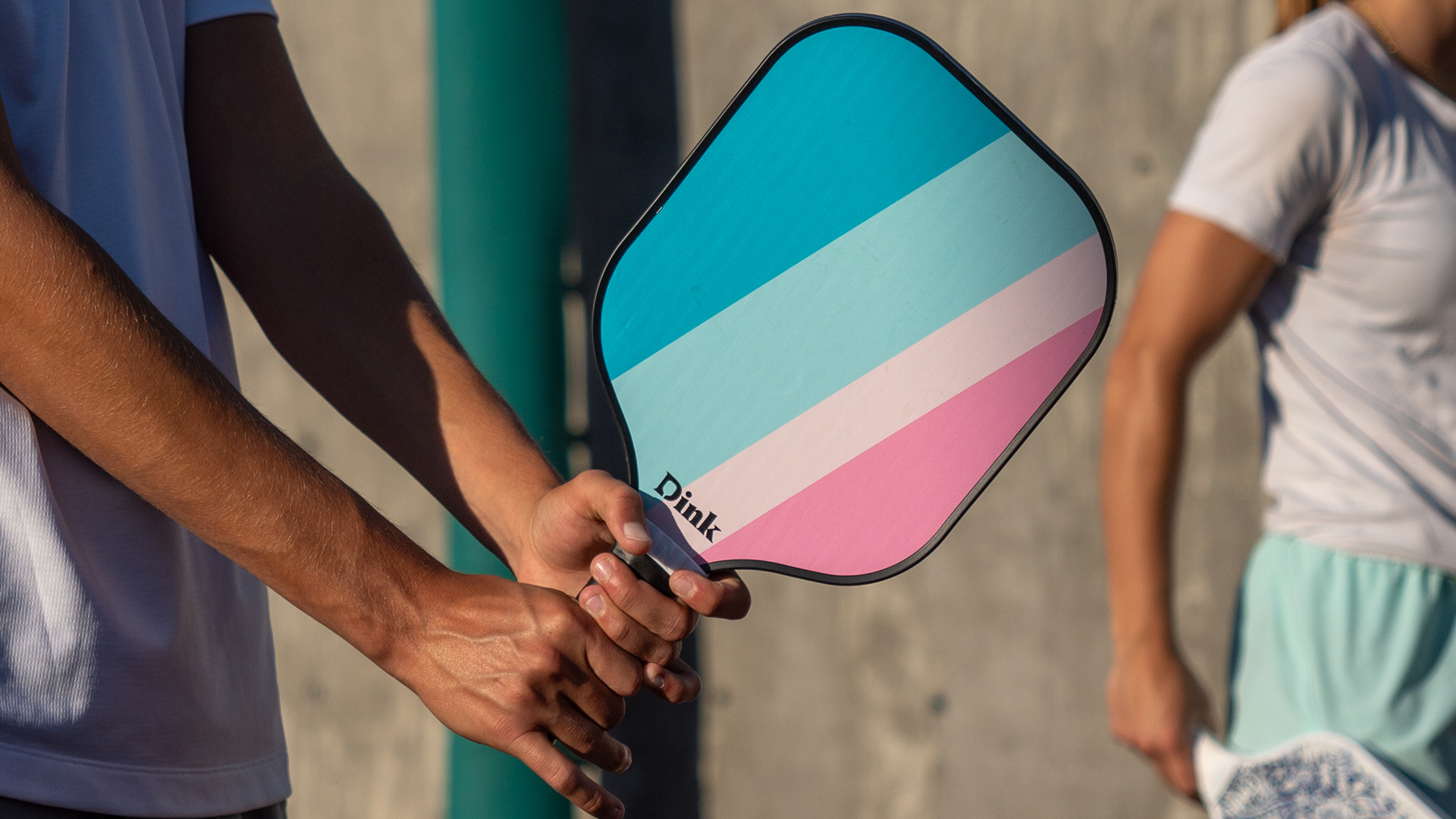
Many players overlook this essential skill, but it’s a game-changer when done correctly. With the right technique, even beginner players can quickly make progress.
So, we tried to explain everything - from the basics to advanced grip tips, suitable for players at every stage. After reading the article, expect fewer errors, stronger plays, and a noticeable boost in performance.
Learn the Basics: The Ready Position Grip
The ready position grip is the foundation to learn for a solid pickleball game. The grip refers to holding the paddle while anticipating the opponent’s next shot. To start with, follow the steps below:
Keep the paddle in front of your body at chest height.
Hold the paddle handle with a relaxed but firm grip with your dominant hand. It’s like shaking hands with someone (This is called the Continental grip).
With the non-dominant hand, touch lightly the paddle’s edge or throat for stability and readiness.
Wrap your fingers around the handle, with your index finger slightly separated along the paddle handle for improved control.
Keep your wrist flexible so you can react quickly to both forehand and backhand shots.
Angle the paddle face slightly forward, giving you better control and faster responses.
Always stand in the ready position with your paddle in front of your body to minimize movements and maximize your reaction time. Practicing the ready grip improves shot consistency.
The Pickleball Paddle Main Grip Types
When practicing a pickleball paddle grip, understanding the different grip types is the next important step. Each grip type influences how you hit the ball, your comfort on the court, and your ability to adapt to various opponents' game styles. How you grip your paddle can dramatically change the angle of your shots and the ease with which you switch between forehand and backhand.
Our advice: Some grips are better for precision and dinking at the net, while others give you more power on serves and baseline drives.
Continental Grip (The Standard)
This is the most recommended grip for pickleball players of all levels, especially beginners. It is also known as the "shake hands" grip, as it's formed by simply holding the paddle as if you're shaking hands with it.
Align the index knuckle and heel pad of your hand with the second bevel on the paddle handle.
Keep the grip natural and relaxed; neither too tight nor too loose.
Wrap your thumb around the handle, resting slightly on the opposite side of your fingers for stability.
The paddle face should be perpendicular to the ground when your arm is extended forward.
The biggest advantage of this grip is its versatility; it’s best used at the net, where fast volleys demand quick transitions without time to change grips. If you are a beginner pickleball player, it is the best starting point before experimenting with more advanced grips.
Our advice: To test if the Continental grip is correct, bounce a ball gently off your paddle; it should feel balanced and responsive. Practice gripping this way until it feels second nature to you.
Eastern Grip
The Eastern grip is one of the most popular ways to hold a pickleball paddle. To practice this grip, place the paddle face flat on the ground, then pick it up as if you were shaking hands with its edge. It allows putting your hand comfortably on the handle and using excellent control during play.
This grip offers a solid balance between power and precision, making it a great choice for players transitioning from tennis. The Eastern grip also makes it easier to hit clean, consistent forehands without having to constantly adjust your hold. However, its support for backhand shots is limited. You may find it harder to generate power or maintain stability when switching to a backhand stroke.
Western Grip
The Western grip in pickleball is a technique where the player rotates their hand underneath the paddle handle, similar to gripping a frying pan. It lets you place the palm underneath the paddle, generating heavy topspin. To hold it correctly, start from a standard grip and rotate your hand clockwise (for right-handed players) until the base knuckle of your index finger rests under the handle. This allows advanced players to add spin and control to aggressive topspin shots.
The Western grip helps to produce maximum topspin, especially on forehand drives and serves. This spin can force opponents into a defensive position and cause the ball to dive sharply after bouncing. The main disadvantage of the Western grip is that it makes it harder to switch quickly to a backhand, often requiring a grip adjustment mid-rally. Because of this small issue, the grip is typically recommended for experienced players who can handle fast transitions.
Modified Grips (for advanced players)
After you’ve mastered the basic grips, experimenting with modified grips can help you develop your skills further. With time and practice, when you become an advanced player, you will notice that you often personalize your grip to suit specific shots, your playing style, or paddle types.
A common variation is placing the index finger on the paddle face for extra stability and directional control, especially for dinks and volleys. Another popular option is the “pistol” grip, where the player holds the paddle like a pistol, with the index finger pointing slightly forward and the thumb wrapped diagonally.
Our advice: Testing different grips is key to finding what feels natural and effective for you. Just keep in mind that modified grips are best used intentionally for specific techniques.
Common Grip Mistakes to Avoid
One of the most frequent errors is gripping the paddle too tightly, which causes tension in your arm, reduces your reaction time, and increases the risk of injury. But remember, holding the paddle too loosely can result in poor control and mishits.
Another mistake is holding the paddle handle too high or too low, which can limit your reach and reduce your ability to adjust your shots. Ignoring proper finger placement is another issue because keeping your index finger extended on the paddle face or holding the paddle with your palm can reduce stability.
Beginner players often overlook using the correct grip pressure during different stages of play. For example, soft holds are essential at the net, while firmer grips are needed for power shots. And, finally, not rechecking and adjusting your grip during long rallies or after switching sides can lead to losing the game.
Our advice: Not adjusting your grip for different shots, such as volleys or dinks, can hold you back as your pickleball playing level advances.
You may also be interested in reading the following articles:
How to Practice Drills to Master Your Grip
Mastering your grip takes more than just reading our article and understanding theory; it requires hands-on practice that builds muscle memory and feel.
Start with the wall bounce drill by hitting the ball against a wall repeatedly using both forehand and backhand grips. This simple yet effective exercise helps you feel the paddle's sweet spot and improve your touch and control.
Now, try the grip pressure drill by holding your paddle using a scale from 1 to 10, where 1 is feather-light and 10 is a tight squeeze. Experiment with different pressures while hitting to find the ideal grip strength that keeps your hand relaxed but stable.
To practice the shadow swing drill, swing your paddle in slow motion without a ball, only focusing on your grip during forehand and backhand motions.
Practice with a friend for the partner toss drill, where a partner tosses you balls to gently catch or tap using your paddle.
Our advice: The goal is to make your grip second nature, so you can focus on strategy and movement without constantly adjusting your hold.
Why Grip Size and Paddle Weight Matter When Choosing How to Hold It
Before you go out to practice what we taught you in this article, know that the pickleball paddle’s grip size and weight directly impact how comfortably you can hold a pickleball paddle. A grip that's too small can lead to over-gripping, causing wrist strain and reducing control, while a grip that's too large may limit wrist flexibility and make quick adjustments difficult.
Choosing the right grip size ensures a secure hold, better paddle stability, and a lower risk of injury during extended play. To learn how to measure the grip size, check our article.
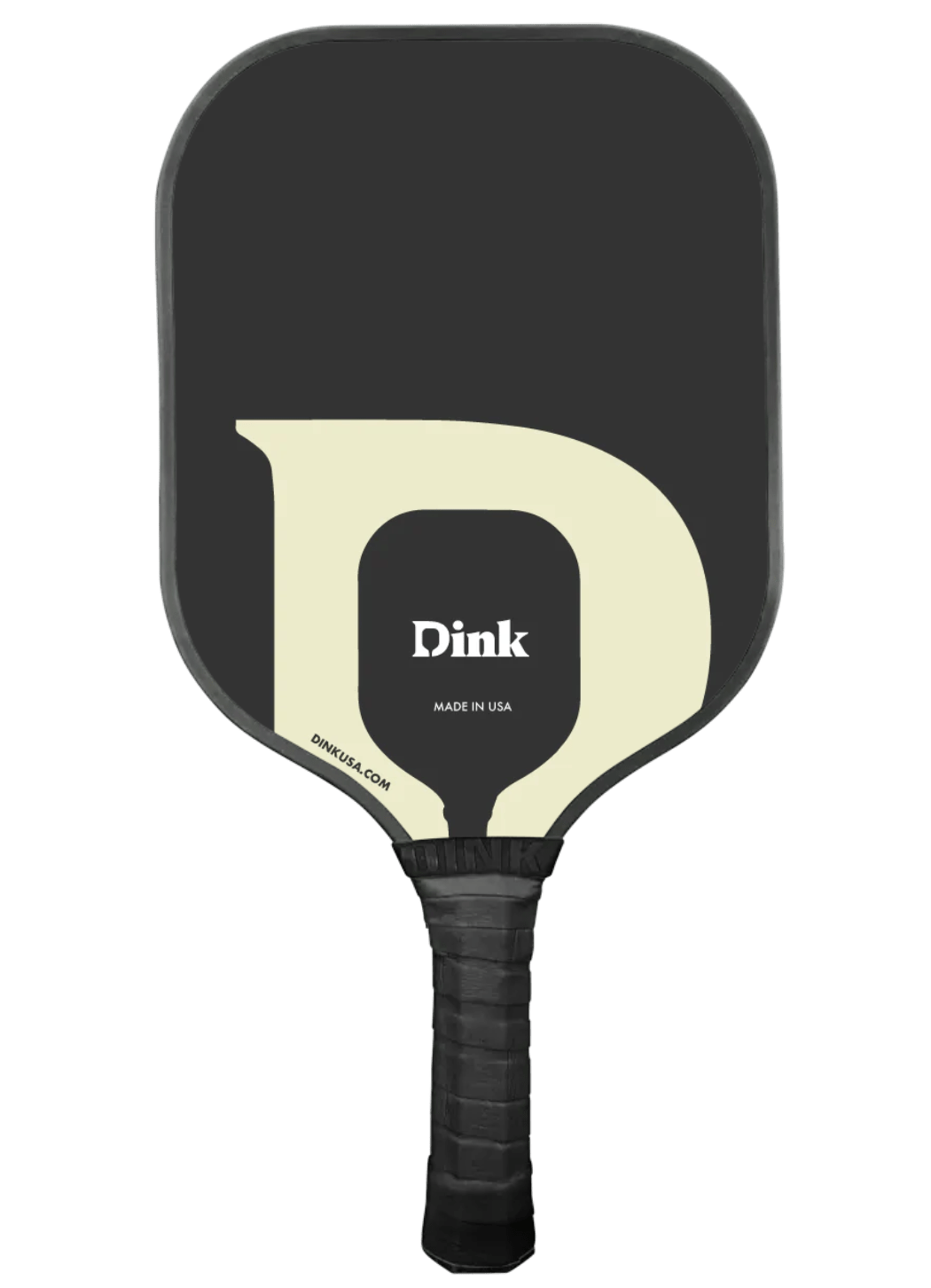
Personalize Our Carbon Fiber Pickleball Paddle
Starting from $109.99/each
Paddle weight also affects how a player should hold their paddle. Heavier paddles offer more power with less effort but can lead to fatigue, while lighter paddles are easier to maneuver and support faster reaction times.
FAQs
Can I use different grips during the same game?
Yes, you can use different grips during the same pickleball game, and in fact, many experienced players do so to adapt to various shots. Switching grips can help you optimize control, power, and spin depending on whether you're dinking, volleying, or smashing.
What grip do pro players use?
Professional pickleball players commonly use the continental grip, also known as the "handshake grip," because of its versatility across all shot types. This grip allows for quick transitions between forehand and backhand, making it ideal for fast-paced rallies and net play.
How often should I practice my grip?
It depends on your level of experience and how comfortable you feel holding the paddle. Beginners should focus on grip practice every time they play, as developing muscle memory is essential for consistent shots and control. Even advanced players benefit from revisiting their grip regularly to prevent bad habits from forming.
Meet the Expert

Mike Hardy
Hey, I’m Mike Hardy, founder of Dink. I’ve spent years learning everything there is to know about what makes a paddle play great, and I personally test every single one we make (sometimes until they break) to make sure they’re up to the challenge. So, in my articles, I want to share my knowledge with you to help you find the perfect pickleball equipment for you.